

 Tama Assist
 Sustainable Farming and Baling Solutions: How To Pick an Eco-Friendly Company
For most UK farmers, agricultural plastics are a “necessary evil”. They keep feed fresh, hold bales intact, keep silage bales oxygen-free, and make it easier to store and transport baled forage. But, without proper management plastics can also cause environmental damage and are, frankly, an eyesore around the farm.
Sustainable agriculture solutions, like eco-friendly farming products, offer a way to offset the downsides. But it can be difficult to identify baling solutions that are truly green, versus those that are just “green-washing”. This blog explains how to get it right.
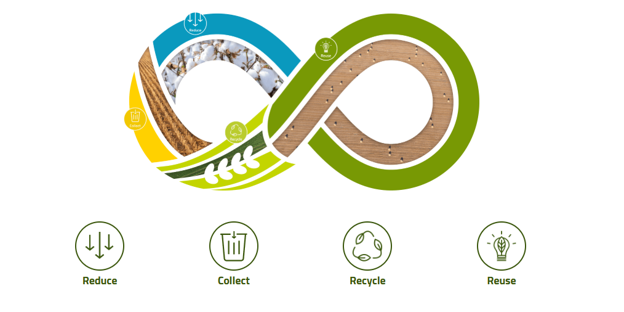
Sustainable farming practices don’t start when you rip the wrap off the bale. A good baling partner will have solutions in place at all stages of the plastic lifecycle.
That includes ways to:
- Reduce the amount of plastic used in manufacturing their baling products.
- Collect used plastic from the farm or allocated pick-up sites. Ideally, they should have recycling programs or reuse initiatives in place that make it easy to dispose of plastic waste.
- Recycle used agricultural plastic once collected. This can be through their own initiatives or partnerships with recycling companies.
- Reuse recycled components in the manufacturing of new products.
A company’s product line should give you an unambiguous view into its commitment to sustainability. Some tips on what to look for:
- Transparent product specifications
The amount of recycled material in a product should be clearly stated. For example, when you look at a reel of TamaCycle Twine, it’s clear that it contains a minimum of 30% recycled material. And that this bale twine is produced in a “closed loop” manufacturing system where twine is collected, recycled and reused.
2. Ongoing eco-friendly product development
A company with a true commitment to sustainable baling solutions will continually develop new and innovative products, using higher proportions of recycled content, less plastic, or more eco-friendly materials that are easier to recycle.
It’s not enough for a company to have one or two “green” products, but rather a wide range of sustainable products, like Tama, which offers eco-friendly bale twine, netwrap, and stretchfilm.
3. Industry partnerships and green initiatives
Partnerships with recycling companies or collection schemes, like APE UK, are another sign of a genuine commitment to sustainable farming. It also means that the company is taking the work of developing more sustainable farming practices off your plate – so you can stay focused on running a successful farm, while still knowing you’re making environmentally sound choices.
A true commitment to sustainability means looking for new strategies to reduce environmental impact. Look for evidence that the company you’ve partnered with focuses on new developments and sustainable farming. In the baling sector that includes developing netwrap alternatives, like recyclable EZ Web, or researching innovative products like edible netwrap.
These kinds of product commitments show that the company isn’t just paying lip service to green ideals – they’re prepared to invest in them as well.
Need help choosing greener baling solutions? The TAMA team can advise you. Let’s talk.